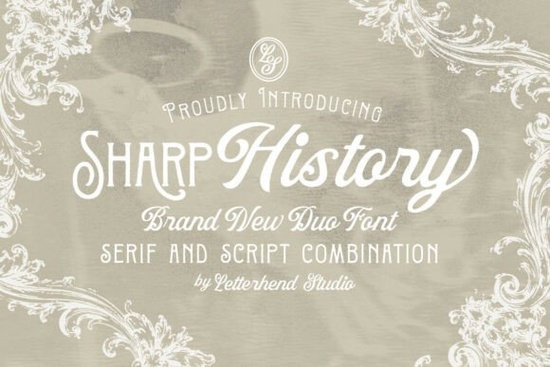
When you need a typeface that feels both nostalgic and refined, finding the right balance between ornate details and readability is key. The Sharp History Font solves this by pairing a decorative serif with a flowing script. This combination gives you the classic character of traditional typography alongside the soft, natural movement of handwriting, making it a highly practical choice for various creative projects.
How does the font duo actually work in practice?
The decorative serif brings subtle ornamental details that add a sense of heritage and elegance to your layouts. On the other hand, the script style provides a smooth, organic flow that feels personal and inviting. Using them together allows you to create a clear visual hierarchy without needing to source multiple different typefaces. You can use the serif for your main headings and structural elements, while the script handles delicate accents, signatures, or short quotes. This balance ensures your design feels cohesive rather than disjointed.
What types of projects benefit most from this vintage style?
If you are designing wedding invitations, the elegant script is perfect for the couple's names, while the serif handles the event details clearly. For small businesses and print-on-demand sellers, this vintage charm works beautifully on packaging, product labels, and boutique branding. Think about how it would look on a minimalist coffee bag label or a handmade soap wrapper. The nostalgic feel instantly communicates quality and craftsmanship to your customers. For digital creators, this style also translates wonderfully to social media templates and digital planner covers where a touch of vintage aesthetics helps your brand stand out.
When you are exploring similar options for your layout, you might also want to look at the Dream to Be Rich font if you need something with a slightly different classic feel for financial or lifestyle branding. Alternatively, if your project requires a more structured editorial look, checking out the Medvilea Editorial font could give you the clean, professional edge you need for magazines, lookbooks, or detailed catalogs.
How do you pair this duo with other typefaces?
Because this duo already contains both a display serif and a script, you usually only need one additional font for your body text. A clean, neutral sans-serif is the best choice here. It keeps the overall design from looking too cluttered and ensures that longer paragraphs remain highly readable. Avoid using another heavy serif or a highly decorative font for your body copy, as this will compete with the main heading and cause visual fatigue for the reader.
If you want to stick to the exact same family for your primary project needs, you can always download the Sharp History font directly to get both the serif and script styles in one convenient package. This saves you time when you are working on tight deadlines and need a reliable, matching set of typefaces.
What should you check before sending your design to print?
Typography can look completely different on a screen compared to physical paper. Before you finalize your files and send them to the printer, run through this quick checklist to ensure your design looks exactly the way you intended:
- Check letter spacing: Scripts often need a bit more breathing room between letters to remain legible, especially at smaller sizes.
- Test contrast: Make sure the fine ornamental details of the serif stand out clearly against your background color or texture.
- Verify licensing: Ensure your chosen license covers commercial use if you are selling physical products, digital templates, or client work.
- Print a physical proof: Always print a test copy on your actual paper stock to see how the thin lines hold up during the printing process.
- Review at a distance: Step back from your design to ensure the main heading catches the eye before the reader looks at the smaller script details.
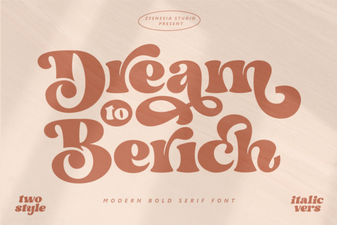 Dream to Berich Font: Creative Uses & Free Download
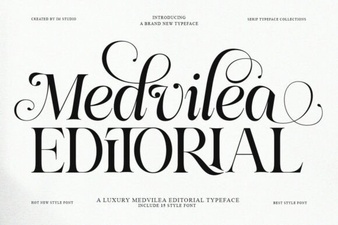 Medvilea Font: Editorial Elegance for Modern Design
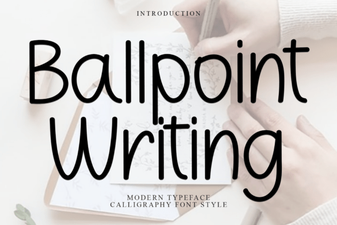 A Modern Ballpoint Font for Design Projects
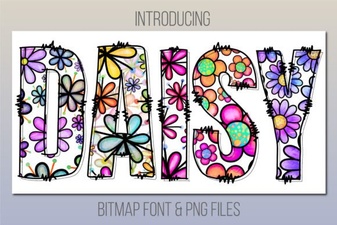 Daisy Font: Free, Friendly Script for Digital Projects
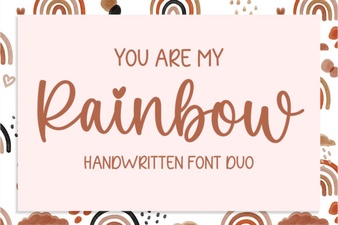 Rainbow Font Design Ideas & Inspiration
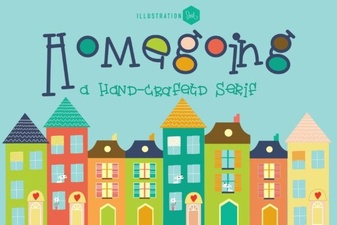 The Homegoing Font: a Creative Typography Guide