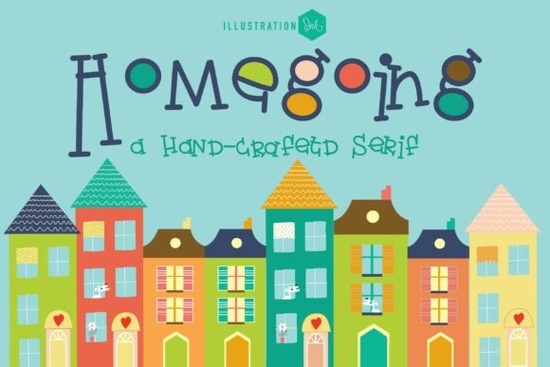
If you are looking for a typeface that brings a sense of nostalgic warmth and playful charm to your projects, the Homegoing Font is a fantastic choice. This specialty display font mixes mid-century children's book illustrations with modern indie branding. It features tall, whimsical mixed-case letters filled with mismatched geometric colors, uneven slab-serif bars, and cute teapot-style handles on the round characters.
What makes this typeface stand out for branding?
When building a brand identity, typography sets the mood before the reader even processes the words. This typeface stands out because it balances quirky details with readable structures. The solid, mismatched color fills give it a handmade feel, while the uneven slab-serif bars keep it grounded. The adorable teapot-style lids crowning the round characters add a layer of storytelling that standard typefaces simply cannot match. If you are exploring other options for your boutique bakery or indie real estate group, you might also want to browse a broader collection of designer display fonts to see how different styles handle color and shape.
Where can I use this style in my creative projects?
Because of its storybook warmth, this font is perfect for custom kids' room wallpaper text or handmade community event posters. It works beautifully for small businesses that want to appear approachable and friendly. For example, a boutique family bakery can use it for their storefront sign, menu headers, or custom packaging. It also makes a massive impact on high-impact social media headlines where you need to stop the scroll. If you are designing for a younger audience and want to compare it with similar playful styles, checking out retro kids display fonts can give you more inspiration. On the other hand, if you need something with a bit more athletic energy for a school event or team poster, you might look into sports varsity display fonts instead.
How do I pair it with other typefaces?
Pairing a highly decorative display typeface with the right secondary font is crucial for readability. Since the primary letters have so much visual weight, unique shapes, and built-in color, you need a clean, simple sans-serif or a classic serif for your body text. For a sophisticated contrast, elegant options like Cormorant Garamond display fonts work well for subheadings or longer quotes. If you want to keep the playful, slightly irregular vibe going for a secondary headline or a special offer tag, Grinched 2.0 display fonts offer a fun, grungy alternative that still feels handcrafted and unique.
What should I check before downloading and designing?
Before you start designing, always verify the licensing terms for your specific project. If you are creating print-on-demand products or client work for a small business, ensure you have the commercial license that covers those uses. Check that the download includes the file formats you need, such as OTF or TTF, for your preferred design software like Illustrator, Photoshop, or Canva. Additionally, because this font features mixed-case letterforms with varying heights, pay close attention to your tracking and kerning settings to ensure the teapot handles and lids do not overlap awkwardly when typed closely together.
Quick checklist for your next project:
- Define the mood: Ensure the playful, mid-century vibe matches your brand's personality and target audience.
- Test readability: Use the font for short headlines and logos rather than long paragraphs of body text.
- Check the license: Confirm your commercial rights for print-on-demand, client work, or digital products.
- Adjust spacing: Tweak your letter spacing so the unique character handles have room to breathe.
- Pair wisely: Keep your secondary text simple and clean to let the colorful letters shine.
Start by typing out a short headline in your design software to see how the geometric fills and whimsical details look at your desired size before finalizing your layout.
Explore Design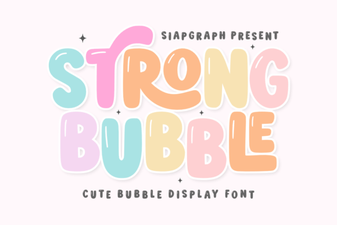 Free Bubble Letter Fonts for Creative Projects
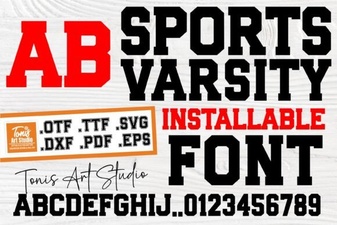 Free Sports Varsity Fonts & Design Inspiration
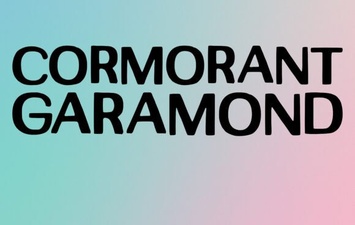 Cormorant Garamond: a Designer's Modern Classic
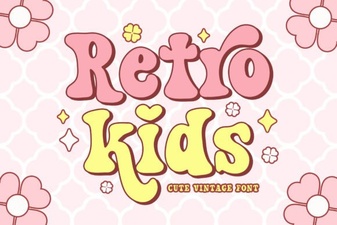 Retro Fonts for Playful Kids' Projects
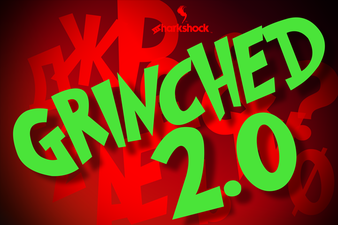 Design with Grinched 2.0: Festive Project Ideas
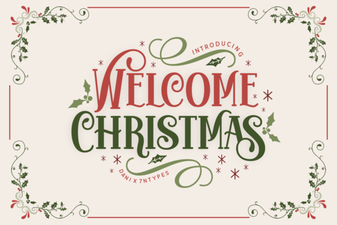 Festive Christmas Fonts for Holiday Designs