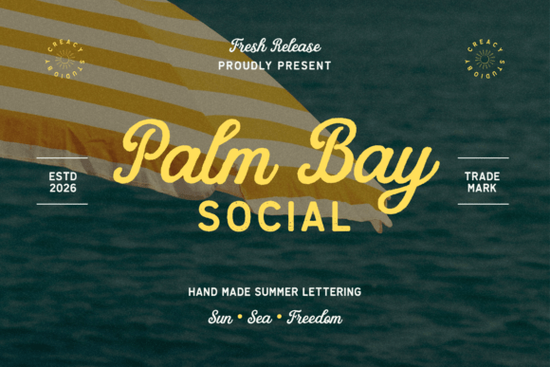
If you are looking to capture a warm, coastal vibe for your next project, the Palm Bay Social Font offers a perfect blend of retro charm and modern usability. This nostalgic font duo brings the relaxed feel of vintage beach clubs and seaside resorts straight to your screen. Whether you are designing a menu for a coastal cafe, creating summer apparel, or putting together a travel blog header, having a typeface that feels authentically handcrafted makes a big difference in how your audience connects with your brand.
What makes this font duo stand out for vintage projects?
The real strength of this typeface lies in its two-part structure. You get a smooth, flowing script that feels like it was written with a vintage brush, paired with a crisp, slightly distressed sans serif. This combination gives you a lot of flexibility in your layouts. You can use the script for elegant, sweeping headings and the sans serif for clean, readable body text or secondary information. The subtle distressed texture on the secondary font adds a worn, authentic look without sacrificing legibility, which is exactly what you want when aiming for that timeless resort aesthetic.
How can crafters and small businesses use these styles?
When you are running a small business or selling print-on-demand products, versatility is key. You might need a playful, bouncy look for a casual t-shirt design, which is where a fun option like Winky Swing usually comes in handy. However, for a more mature, resort-style aesthetic, this coastal duo is ideal. It works exceptionally well for seaside branding, boutique logos, and high-end vacation rental welcome books.
If you are designing wedding invitations with a beach theme, the elegant script works beautifully for the couple's names, while the sans serif keeps the event details easy to read. For a more casual, family-oriented project, you might normally reach for something like Kids Crayon to keep things light and approachable. But if you want to maintain a sophisticated summer vibe across all your materials, stick to the clean lines of this sans serif. It also pairs surprisingly well with bold, heavy display faces like Chunky when you need to create high-contrast vintage posters for a local surf shop or beachside event.
Does the distressed texture print and cut well on different materials?
One common question from crafters is how distressed fonts hold up when cut on a vinyl cutter or printed via sublimation. Because the distressing in this specific sans serif is subtle and well-balanced, it generally cuts and prints very well. If you are using it for small text on a mug or a sticker, the texture won't break apart or leave tiny, unweeded vinyl pieces behind. For larger applications like a canvas tote bag or a wooden sign, the vintage wear-and-tear effect will show up nicely and add character to your physical product. If you ever need a completely clean edge for tiny details on a complex cutting file, you can always switch to the smooth script or use a solid alternative like Hey Baby for your smaller text elements.
What are the best color palettes to pair with a coastal typeface?
To really make your design pop, think about the environment this font represents. The right colors will enhance the nostalgic, sunny allure of the lettering.
- Sunset tones: Warm oranges, soft pinks, and muted yellows mimic a late evening at the beach and work great for apparel.
- Ocean blues: Deep navy paired with a sandy beige creates a classic, timeless nautical look that is perfect for branding.
- Botanical greens: Sage and olive greens work beautifully if your project leans more toward a tropical or garden resort feel.
Using these natural colors alongside a bright, cheerful typeface like You Are My Rainbow can help you transition your summer branding into a more vibrant, festival-ready aesthetic if your product line expands beyond the beach.
Quick checklist for your next coastal design:
- Test your chosen color palette in both digital and print formats to ensure the coastal colors don't look washed out on paper.
- Adjust the tracking (letter spacing) on the sans serif slightly if you are using it for all-caps headings to improve overall readability.
- Keep the distressed sans serif for larger text sizes, and rely on the smooth script or a solid font for any text smaller than 12 points to maintain clean edges.
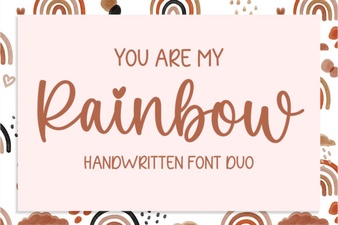 Rainbow Font Design Ideas & Inspiration
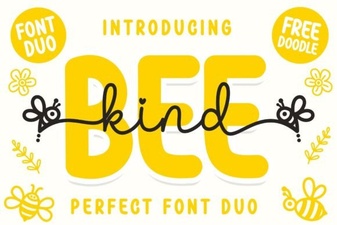 Bee Kind Duo Font for Creative Typography Projects
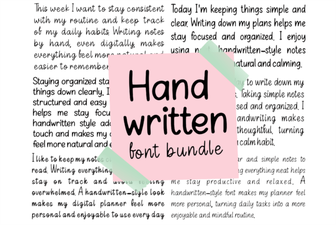 Handwritten Fonts for Creative Projects & Designs
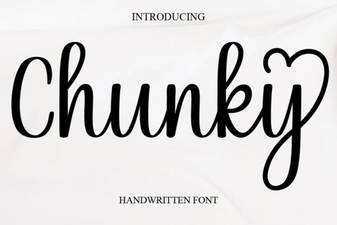 Designing with Chunky Fonts for Impact & Creativity
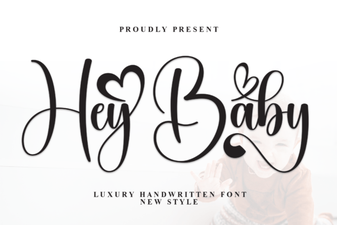 Hey Baby Font: Creative Design & Styling Tips
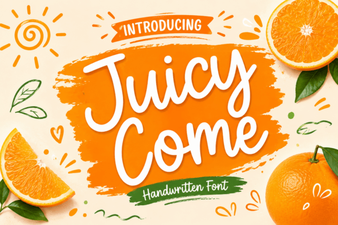 Juicy Come Font for Creative Project Design